A Somatic Experiencing™ Perspective
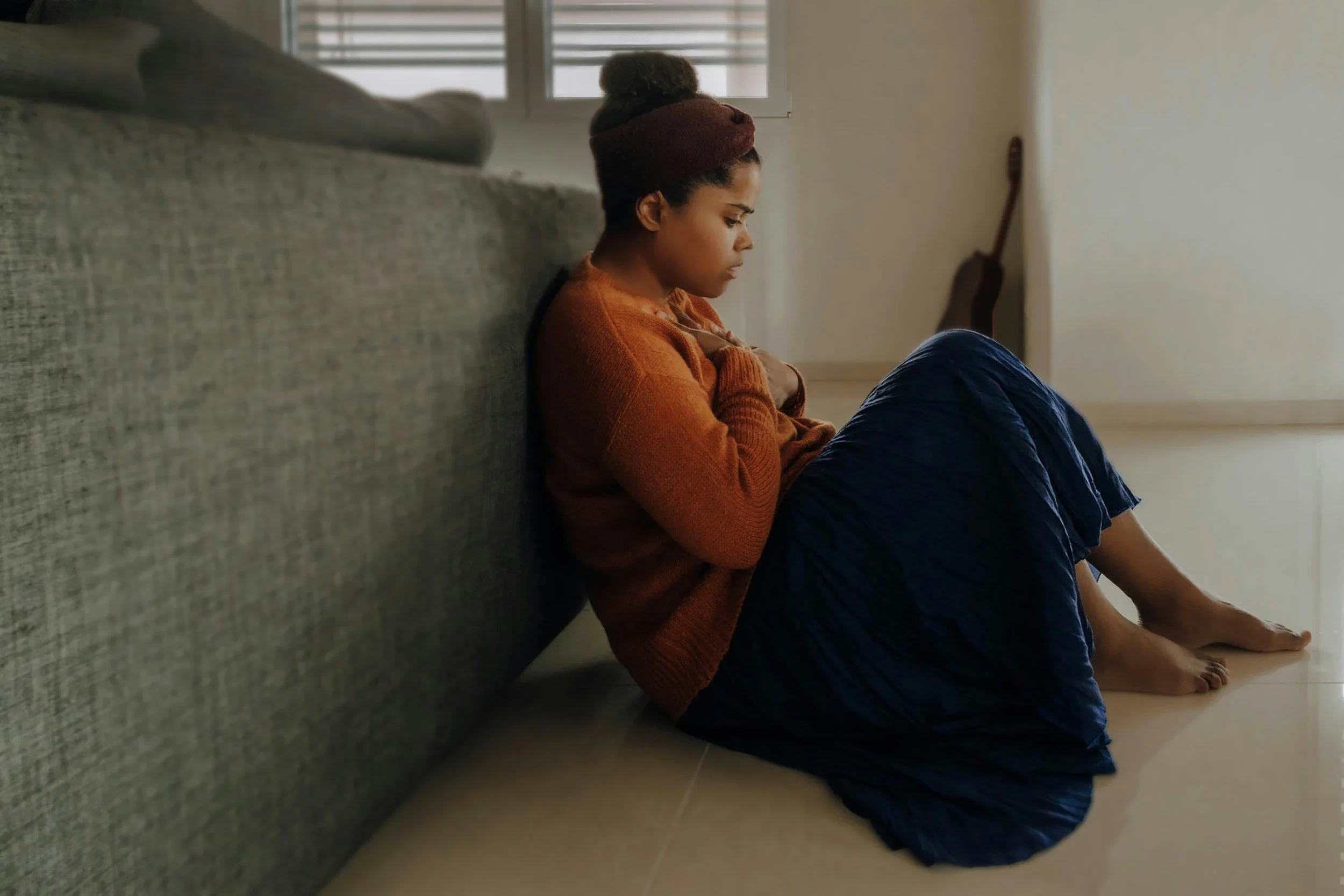
Have you noticed that the harder you try to get rid of something, the more it seems to consume you and control your life? As the saying goes, what you resist, persists.
You may be struggling with chronic physical pain, anxiety that you can't control, emotional pain that keeps resurfacing, or racing, obsessive thoughts that circle through your mind day and night. You try everything you can think of to fix it and make it stop. You analyze it, fight it, distract yourself, try to push through it, or search for the next thing that might finally make it go away for good. Despite all of your best efforts, things just get worse. You may start to recognize that your struggle against it seems to make things worse instead of better, but you don’t know how to stop.
There is a very important reason for this, and it has to do with how our nervous system responds to pain, discomfort, and perceived threat. From the perspective of Somatic Experiencing®, healing isn't about trying to eliminate the hard things we feel. Most of the time, healing begins when we stop fighting our experience and start developing a different relationship with our pain.
One way to look at it is this: What if the pain itself isn't the only source of our suffering? What if a lot of our suffering comes from the ongoing effort to make the pain go away? This is an important distinction, and it is a change in perspective that can change how we approach healing and even life itself.
The Difference Between Pain and Suffering
Pain is part of the human experience. Pain can be physical, emotional, or psychological. It can arise from injury, illness, loss, trauma, stress, or experiences that overwhelm our nervous system’s capacity to process what is happening in the moment. Frequently, there are layers to our pain that exacerbate the original pain, making it far worse than necessary.
We tend to believe we should feel good all the time, and when we don’t, when we experience pain, we may think there is something dangerously wrong with us. We become afraid of our pain, and we resist it, fight it, and we judge ourselves for experiencing it. We worry about how long it will last and when it will go away. We weave stories and identities around it, making it mean something negative about us. We become hyperfocused on monitoring it, trying to control it, or finding ways to make it disappear.
We get frustrated when our best efforts to get rid of it fail, and we feel angry that we are still hurting. We tell ourselves we should be further along in our healing process. We may even begin to feel that something is wrong with us because we haven't been able to resolve it yet. We feel like a failure for not being able to “do it right.”
Without realizing it, we have organized much of our attention and energy around an experience we are trying to escape. The original pain is still there, and now it is made worse by our frustration, fear, tension, vigilance, judgment, and ongoing internal struggle to make it stop. This is the heart of suffering - when we resist our pain, we create suffering, locking ourselves into an extremely painful, ongoing experience.
There is nothing wrong with wanting pain to stop. Wanting relief from pain is totally understandable, and it is a natural human response, but when our desire for relief becomes an ongoing battle with our present experience, we can unintentionally create more distress. We are no longer just experiencing pain -we are now suffering because we believe the pain shouldn't be there, and we don’t want it there. We have essentially created a war within ourselves. This is where compassion and curiosity become so important.
Rather than criticizing ourselves for feeling what we feel, we can start to acknowledge that something is challenging without adding judgment to an already painful experience. Rather than resisting our discomfort, we can become curious about what is happening inside of us. There is a profound difference between caring for our pain and fighting against it, and it makes all the difference.
Fighting Pain Activates the Nervous System
Our nervous system is constantly responding to cues of safety and danger. When we experience something painful or overwhelming, our system may mobilize protective responses designed to help us survive and cope. These responses can include increased muscle tension, heightened anxiety, overthinking, emotional reactivity, withdrawal and isolation, or a sense of being unable to relax.
When we are overly preoccupied with getting rid of our discomfort or pain, we can unintentionally reinforce this state of nervous system activation.
A good example is what happens when you experience anxiety: your heart starts beating faster, or you feel a sense of uneasiness or tension in your body. You may feel short of breath and panicked. Immediately, you feel worried that something is horribly wrong with you. You tell yourself you shouldn't feel this way, that it means you’re somehow in danger. You try to calm yourself down, make the uncomfortable sensations stop, and figure out what's wrong with you. Unfortunately, when you do this, you’re making everything worse. Now you're not only experiencing anxiety; you're also worried and fearful about experiencing anxiety.
The same pattern happens with physical pain: we brace against it, anticipate it, monitor it, and become increasingly afraid of what we might feel. With emotional pain, we may try to suppress grief, push away anger, intellectualize sadness, or convince ourselves that we should be over something by now. We may dig deep into our subconscious minds to “solve the problem” of our pain, all to no avail.
In each case, our attention is focused on the threat of our experience. We may find ourselves caught in a cycle of noticing discomfort, becoming distressed by it, trying to control it, and then becoming even more focused on whether or not it has gone away, and frustration when we find it has not.
The nervous system can interpret this ongoing struggle as another source of stress. The urgency, resistance, and fear surrounding our experience contribute to additional activation. This doesn't mean that pain is imagined or that our thoughts create every physical or emotional symptom. It means that our relationship with pain can influence how much additional stress and activation we experience around the original pain.
What might happen if, instead of immediately reacting to discomfort, we could pause and meet ourselves with a little more compassion? What if we faced it with curiosity instead of fear? What if we didn't have to make the sensation disappear before we could support ourselves with love?
The Nervous System Needs Safety, Not More Pressure
One foundational principle of Somatic Experiencing® is that healing involves helping the nervous system build greater capacity to experience sensation, emotion, and activation without becoming overwhelmed. This is a very different approach from forcing ourselves to control everything we feel or trying to make uncomfortable sensations go away.
When we approach our internal experience with fear, judgment, or a desire to change it immediately, we can put more pressure on our nervous system when we might already be struggling. Consider how often we approach ourselves with the notion that we should be different than we are. We feel we should be calmer, happier, more peaceful, and we shouldn’t be so sensitive. Our attempts to try to fix or heal ourselves can easily become another way of pressuring ourselves. We may turn nervous system regulation into something we feel we have to get done, and get done right, creating yet another standard we have to meet.
Healing doesn't happen by trying to force ourselves into a different state. Healing happens when we start to meet our experience with more compassion and care. What if, instead of asking, "How do I make this stop?" we began asking, "What is happening inside me right now, and what might help me feel a little more supported?" This is a subtle but very important and meaningful shift. Rather than treating our sensations and emotions as problems to solve, we look at them as experiences to understand. We become curious instead of controlling. We let our body have an experience without immediately demanding it be different. Compassion helps us to acknowledge what is difficult without judging ourselves for it. Curiosity helps us stay connected to our experience without becoming controlled by the need to change it.
The main goal isn’t to make our pain disappear. These are ways to relate to ourselves that create less internal conflict and instead create more space. This doesn't mean resigning ourselves to pain or giving up on finding relief. It is understanding that healing doesn't typically happen through force, effort, or control. The first step toward change is creating the conditions in which the nervous system no longer feels a need to fight or defend itself.
Learning to Accept What Is Happening
In Somatic Experiencing®, we work with the body's sensations and responses in a slow and gradual way. Instead of diving into the most intense sensation or overwhelming emotion, we learn to notice what is happening in small, manageable amounts. An important part of this process is developing the ability to observe our experience without immediately judging it, resisting it, or trying to change it.
This may involve:
Slowing down: Pausing instead of immediately reacting to discomfort or feeling that we need to fix something.
Orienting: Gently noticing our surroundings and allowing the nervous system to take in the cues of support and safety in the present moment.
Developing curiosity: Observing sensations without immediately labeling them as good, bad, dangerous, or something that needs to be fixed or stopped. We start to wonder what we are experiencing instead of assuming something is wrong.
Finding resources: Bringing our attention to experiences, sensations, memories, or aspects of our environment that support a sense of safety, stability, and connection.
Building capacity: Allowing ourselves to experience small amounts of discomfort while staying connected to what feels supportive and manageable.
This process helps us develop a different, and friendlier, relationship with our internal experience. We start to see that we don't have to fear every sensation, meet every emotion with resistance, or react to every uncomfortable thought with an attempt to control it. We can learn to stay present without becoming overwhelmed. We recognize that we don't have to force ourselves to be okay. We can acknowledge that something hurts, that we feel overwhelmed, or that we don't have the answers right now. We can meet ourselves where we are and know that there is nothing inherently wrong with us - these feelings we have are a part of the human experience. It is important that this work is done at a slower pace, and that we stay within our capacity and respect our own pace.
What If You Didn't Have to Fix Yourself?
Many of us have spent years believing that there is something wrong with us that needs to be fixed. We try to stop being sensitive, try to control our emotions, get rid of our anxiety, resolve every difficult memory, or make our bodies behave differently. We get so focused on what needs to change that we lose access to the parts of ourselves that are working hard to protect us.
From a somatic perspective, many of the issues we struggle with are not signs that we are broken; they are adaptations. They are ways our nervous system has learned to respond to people, experiences, environments, and circumstances. These adaptations may have helped us to survive. Instead of criticizing them, we can start to understand them.
What if your anxiety isn't something to fight, but something to become curious about? What if your emotional overwhelm is asking for support rather than more self-criticism? What if your physical tension is something to listen to rather than fight? What if, instead of judging yourself for still struggling with pain, you acknowledged how difficult it has been and offered yourself compassion instead?
Healing begins by creating a relationship with yourself that allows something new to become possible. This is not about ignoring pain, tolerating toxic circumstances, or abandoning appropriate medical care. Pain needs attention, and seeking support and treatment can be an important part of healing. It is about recognizing that the constant struggle against our internal experience is exhausting and creates even more pain. It does not relieve pain.
We don't need to add shame to sadness, fear to anxiety, or frustration to physical discomfort. We don't need to make ourselves wrong for having a human experience. When we do, it just compounds our pain, locking us into it even longer. What we need most is not another strategy to fix ourselves, but the healing experience of meeting ourselves with understanding, patience, and compassion.
Healing Through Connection Instead of Control
One of the most profound shifts we can make is moving from a mindset of fixing to one of connecting. Instead of seeing our pain and fear as problems to fix, we can start to slow down, become more present, honor our needs, and meet ourselves with care and compassion. This is the primary focus of nervous system-focused somatic healing work.
Healing is not always about eliminating a sensation, resolving an emotion, or finding a way to never be uncomfortable again. It is about creating enough internal safety and capacity, so we no longer have to organize our lives around avoiding what we feel. When we stop fighting ourselves, we create space for a different kind of relationship with our bodies, our emotions, and our experiences.
The compassionate way of viewing ourselves understands that we are human beings with nervous systems that have adapted, protected, and responded to life as best they could in each moment. At the heart of it all is healing the way we relate to ourselves and to life. It means softening into a more gentle, kind way of being. The most healing thing we can offer ourselves is the willingness to meet whatever is happening within us in each moment with a little less judgment, a little more curiosity, and a lot more compassion.